Upcoming Changes to Bermuda’s Landlord and Tenant Laws: What You Need to Know
April 2025
Bermuda is preparing to introduce long-anticipated reforms to its landlord and tenant legislation, marking a significant step toward modernising housing policy and easing rental market pressures. These updates aim to create a fairer and more transparent rental landscape for both landlords and tenants, while encouraging the development and availability of long-term rental housing.
A New Landlord and Tenant Act
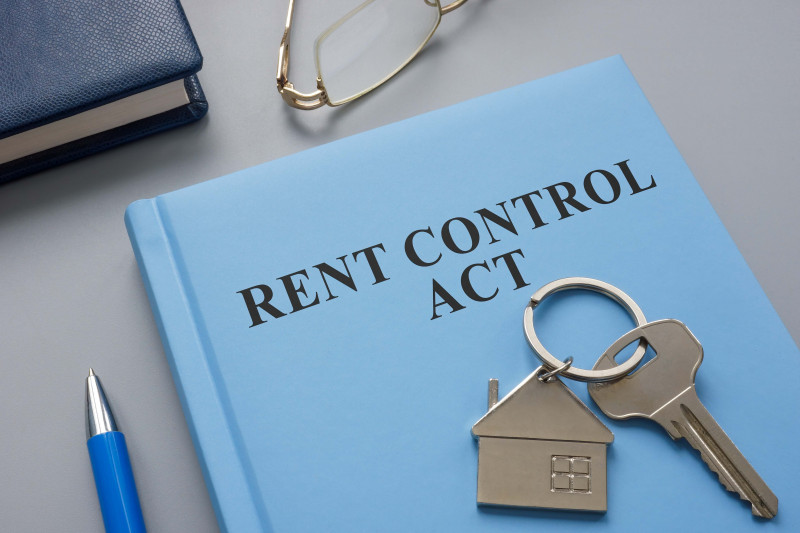
At the core of the reform is the plan to repeal the Rent Increases (Domestic Premises) Control Act 1978, replacing it with a more comprehensive Landlord and Tenant Act. This new legislation will establish clearer, modern guidelines around lease agreements, rent adjustments, and tenant rights, modelled in part after legal frameworks such as the UK’s Consumer Rights Act.
The goal? To strike a better balance between protecting tenants and empowering landlords, and to encourage more private property owners to bring their homes back into the rental market.
Changes to Rent Control
Currently, rent control applies to residential properties with an Annual Rental Value (ARV) of $22,800 or less. However, enforcement of these rules has been inconsistent, leading to confusion and unregulated rent increases in many cases.
Under the proposed changes:
• Rent increases will be limited to once per contract term
• Clearer, enforceable rules will be introduced for rent adjustments
• The Rent Commission will be given greater authority and support to monitor compliance
This is expected to create greater confidence for both landlords and tenants, helping prevent disputes and protect housing affordability.
Supporting Bermuda’s Housing Strategy
These legislative updates are part of a wider government strategy to increase housing supply and improve accessibility. Other recent and proposed initiatives include:
• Rezoning certain commercial and industrial land for residential use
• Offering long-term leases on underutilised government-owned properties
• Reducing duties on construction materials to lower development costs
• Introducing property tax waivers for landlords who offer affordable rentals
Collectively, these policies aim to alleviate the current rental market pressure while encouraging new development and better housing options for Bermudians.
Stronger Tenant Protections
To ensure that the new rules are respected, the government also plans to expand the powers of Consumer Affairs, giving them the ability to respond more quickly to unlawful evictions and rental abuses.
In addition, better mechanisms for dispute resolution and emergency enforcement are expected to be introduced, giving tenants and landlords more confidence that the system is fair and accountable.
What This Means for Property Owners and Tenants
For landlords, this is an opportunity to return properties to the rental market with clearer rules and stronger support. For tenants, it offers better protection, more transparency in pricing, and hope for more availability in a tight housing market.
These changes are still in the proposal phase but signal a firm commitment from the government to address Bermuda’s housing challenges head-on — and to bring its rental legislation in line with international best practices.